

New Research from LSB on Financial Asset Allocation Strategies
AI can add value in investing, but only when rigorously tested under multiple market conditions—because a strategy that looks great in one backtest may not hold up when the real world changes.
A new study co-authored by Dr. Andrej Novak from Luxembourg School of Business and published in the peer-reviewed journal Applied Soft Computing crash-tested artificial intelligence in investing to see whether machine learning (ML) really builds better portfolios than traditional methods—and the answer is: sometimes, but not always. Researchers analyzed nearly 20 years of data (2000–2019) from 111 major U.S. stocks and compared AI-enhanced strategies with simple, well-known approaches like equally spreading money across investments. In the best-case scenario, an ML-powered strategy that forecasted returns and volatility dramatically outperformed the benchmark, turning 10,000 into 378,467 (a 3,685% total return), versus 229,512 for the simple strategy.
However, when the researchers changed time periods and assumptions, results shifted significantly—sometimes traditional, less complex models performed just as well or even better. The study also found that the highest-return AI strategy was often more volatile, while a method called Hierarchical Risk Parity delivered more stable, risk-adjusted results across different scenarios.
Related Researches
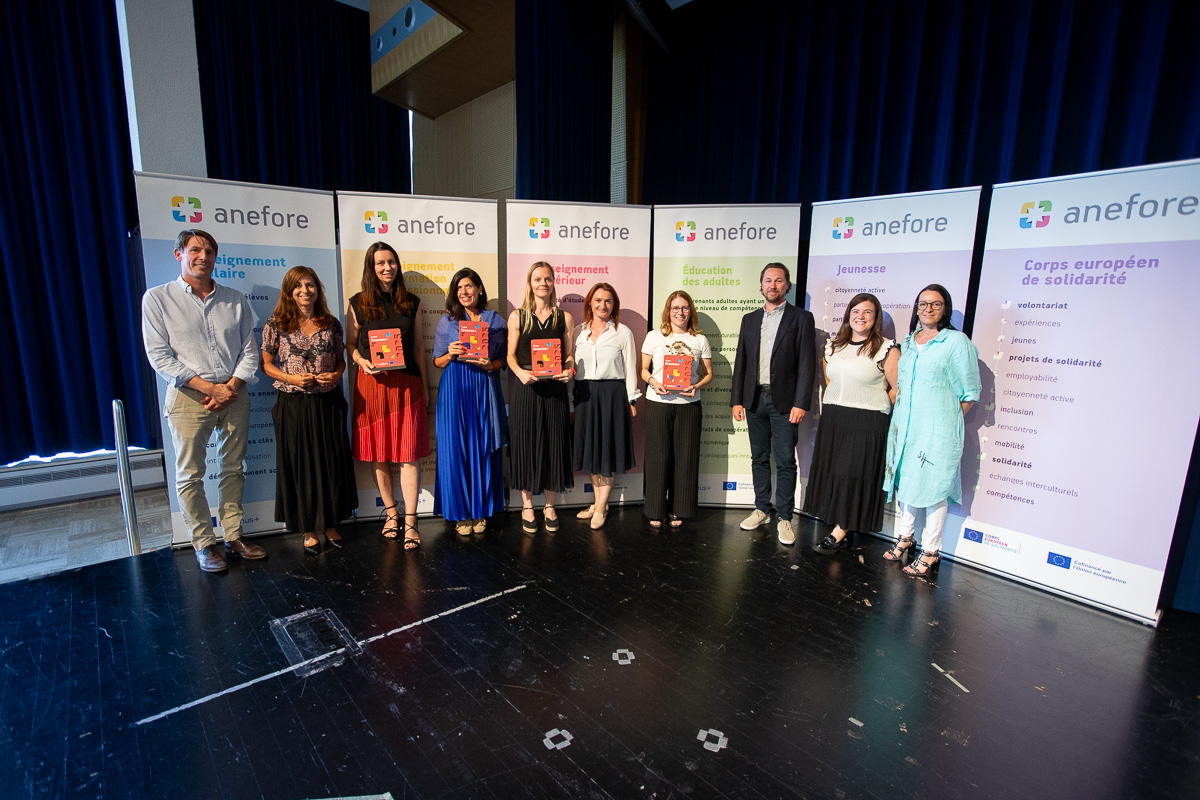
Luxembourg School of Business was recognised at Anefore Summerfest 2026 for its successful Erasmus+ initiatives and continued commitment to internatio...

Leadership becomes visible when the environment is unfamiliar, the pressure increases, and the team depends on your decisions. This July, our MBA stud...

One of the greatest strengths of any business school is the community its graduates continue to build together.This month, LSB alumni elected a new Al...


